Talk. Help. Explore. Build. Choose something that makes you curious.
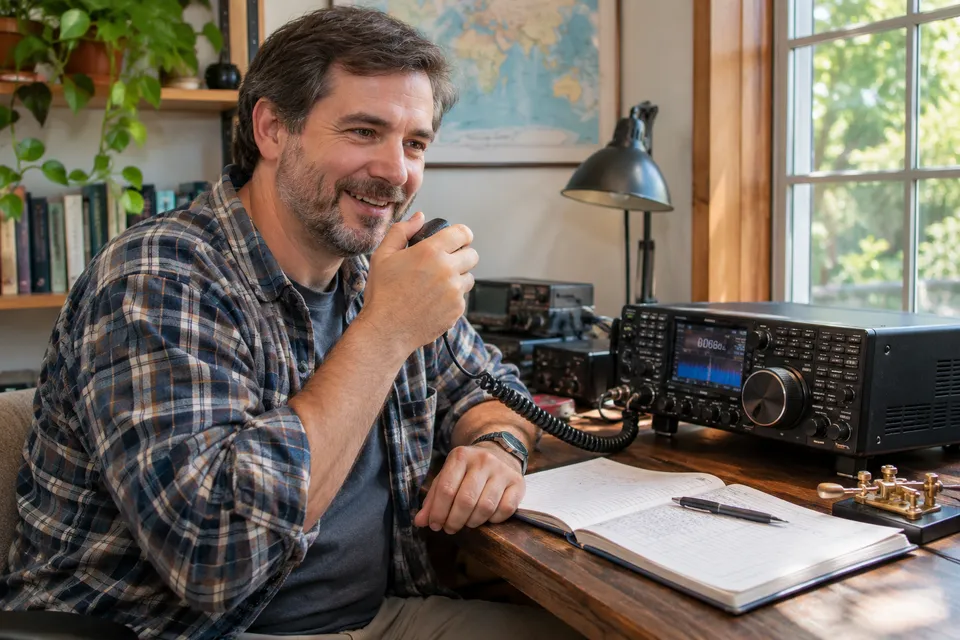
Talk and make friends
Chat with someone across town, join a group conversation, or try reaching another country. How far you reach depends on your equipment and radio conditions.
For exampleJoin a local club’s weekly radio check-in and introduce yourself.
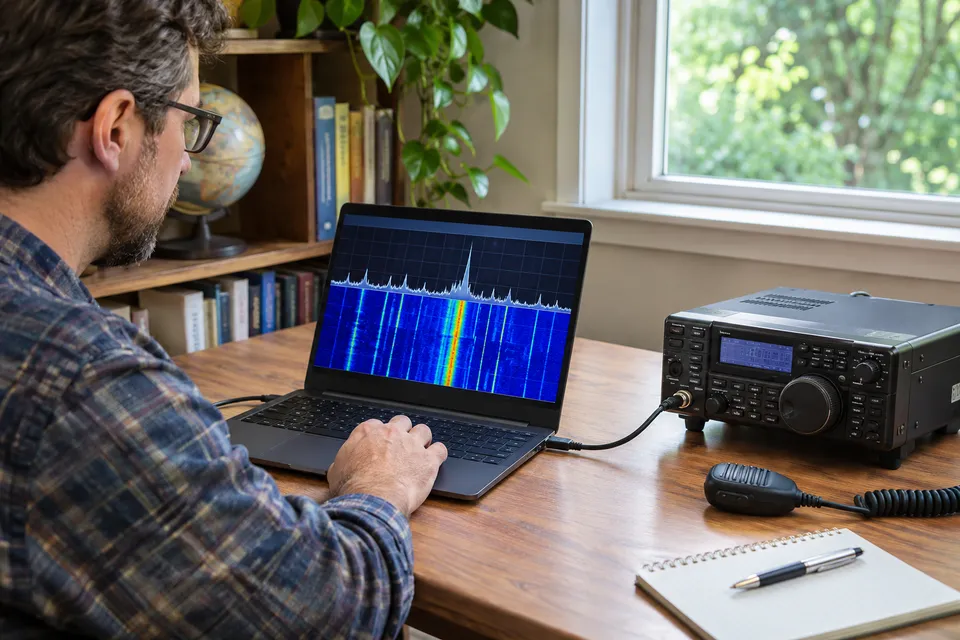
A computer can turn messages into sounds that a radio sends. Another station decodes the signal. Some modes support conversations; others exchange short contact details.
For exampleListen to different digital signals and discover how they sound.
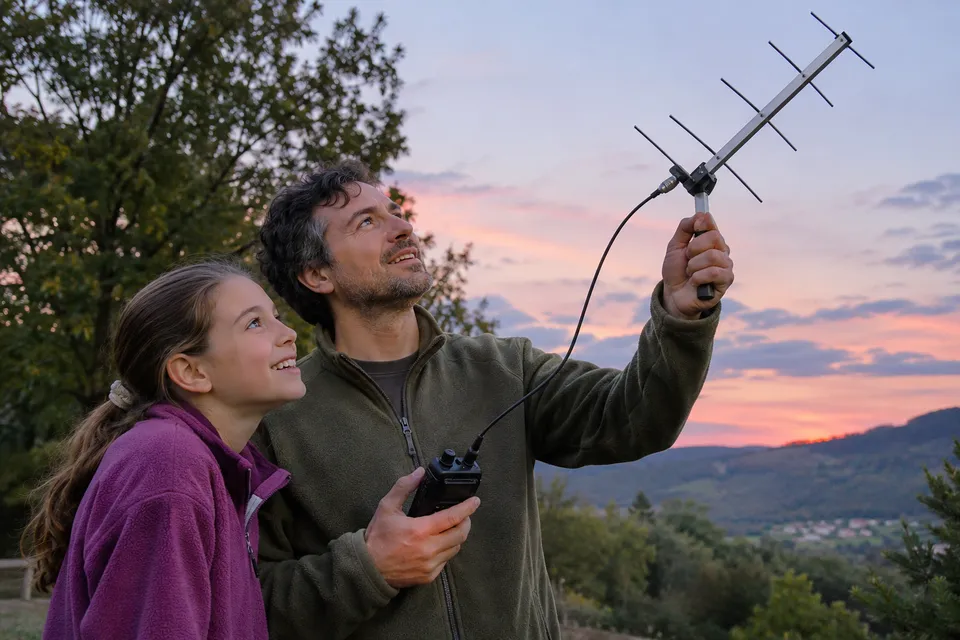
Some amateur satellites relay signals between people on Earth. With suitable equipment and planning, you can listen during a pass or work toward a satellite contact.
For exampleFind out when a satellite will pass overhead and try listening with an experienced operator.
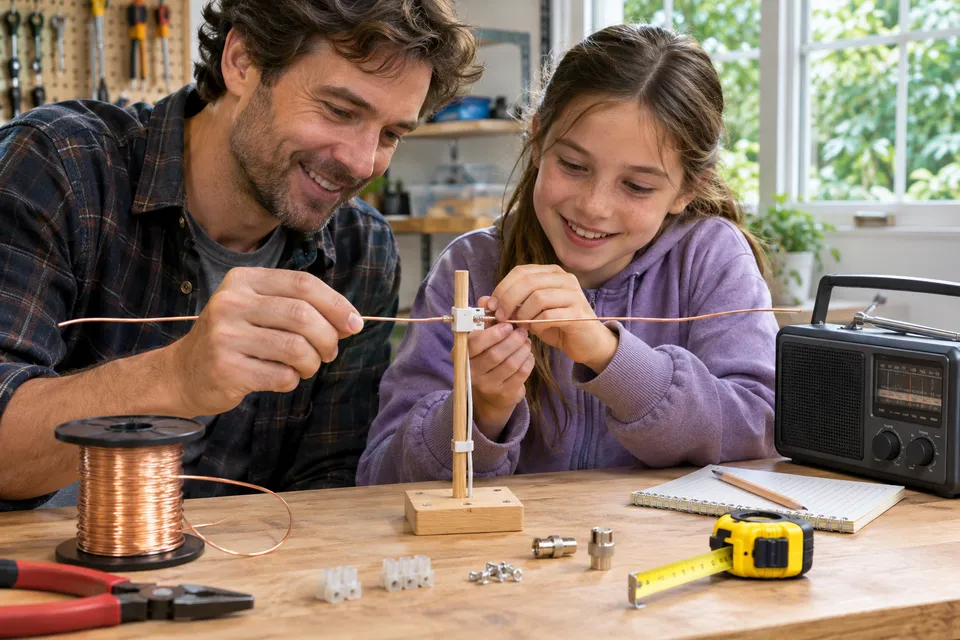
Make a simple antenna, explore circuits, and find out what helps a signal travel. You can start with a virtual experiment before working with real equipment.
For exampleChange an antenna’s length in our playground and see what happens.
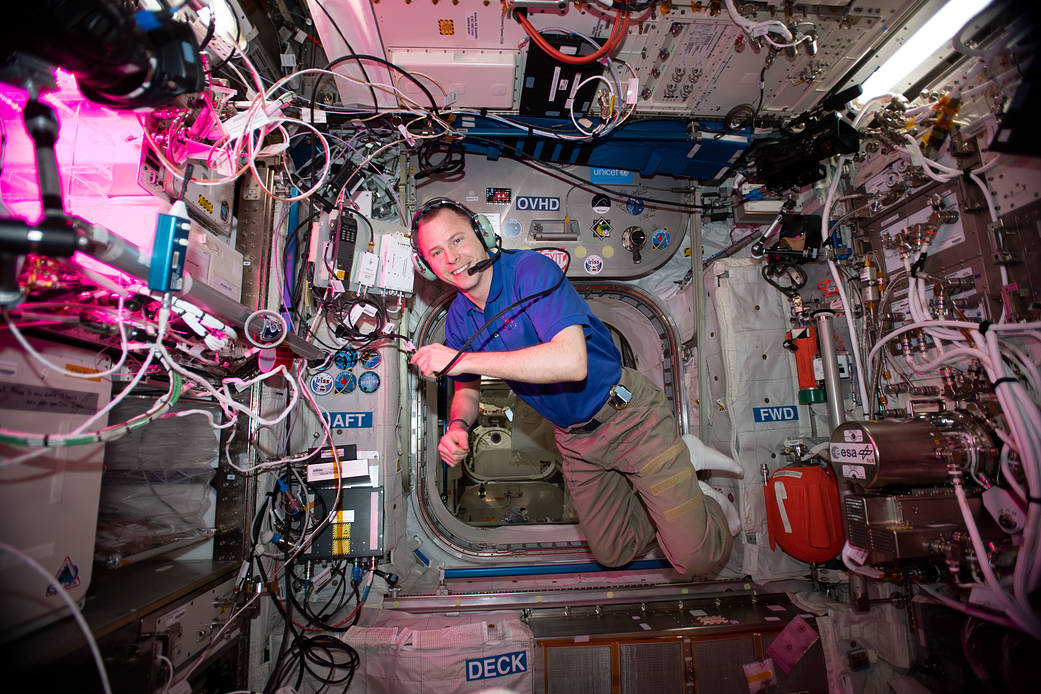
Through ARISS, students ask astronauts questions using amateur radio. Discover how classrooms connect with the International Space Station and how you can start by listening.
For examplePrepare a question about life in space, then watch a real school contact with an astronaut.
Video: ARISS Enables First Educational Contact in Venezuela · NASA Johnson
Help at marathons and community events
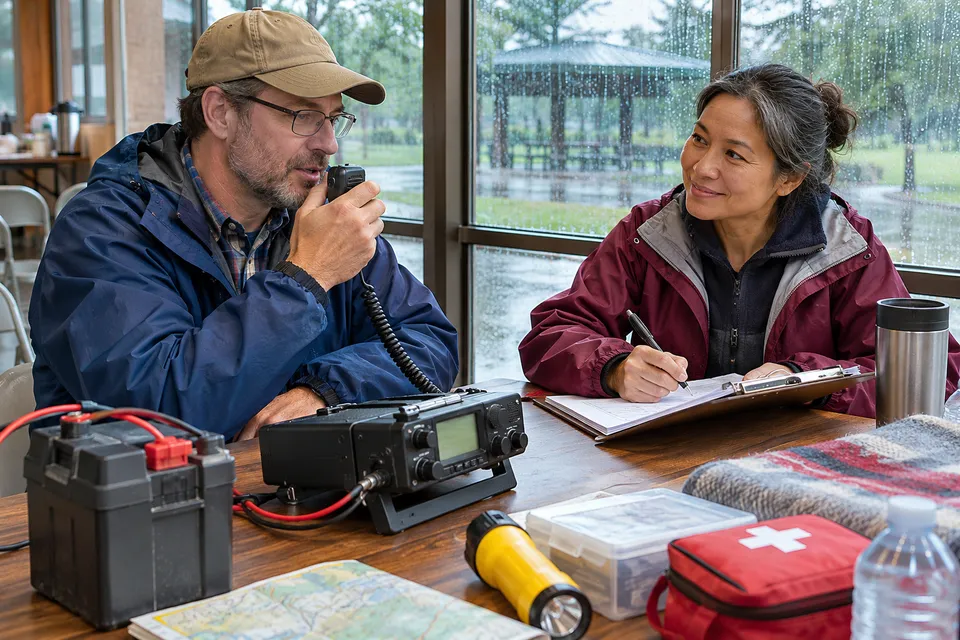
Support marathons, bike rides, charity walks and parades. Volunteer radio teams keep checkpoints, aid stations and organizers connected, passing updates and requests across the course.
For exampleRelay a water request from a marathon checkpoint to the event team.
Video: Ham Radio: Serving Large Public Events · PAARA Presentations
Amateur television
Send moving pictures and sound with amateur television. Operators use cameras, compatible radios and antennas to share live video or demonstrate projects over the air.
For exampleJoin a club demonstration and watch live video arrive over a radio link.
Video: Introduction to Amateur Television · Denby Dale Amateur radio club pre 2024
Moonbounce: use the Moon as a reflector
Bounce a signal off the Moon and receive its faint reflection back on Earth. This advanced activity combines directional antennas, sensitive receivers and careful planning.
For exampleVisit an EME station and watch it decode a faint signal reflected from the Moon.
Build a temporary station with a team. Field Day brings together outdoor operating, emergency preparedness practice, public demonstrations and friendly competition.
For exampleHelp a club set up an outdoor station and log contacts from other teams.
Video: Getting Started With Parks on the Air · Parks On The Air
Meteor scatter: catch a brief radio reflection
Use the brief ionized trails left by meteors to help radio signals travel. Specialized equipment and software catch short openings that would otherwise be easy to miss.
For exampleWatch brief meteor signals appear in a club station’s receiving software.
Video: The Science Behind Meteor Scatter with Robert Suggs NN4NT · Ham Radio 2.0
Send pictures with slow scan television
Send still pictures using slow scan television, or SSTV. A computer turns an image into a radio signal, and the receiving station builds the picture back up.
For exampleWatch a still picture appear line by line as a radio signal is decoded.
Video: Slow-Scan TV: Sending Pictures by Radio · ARRLHQ
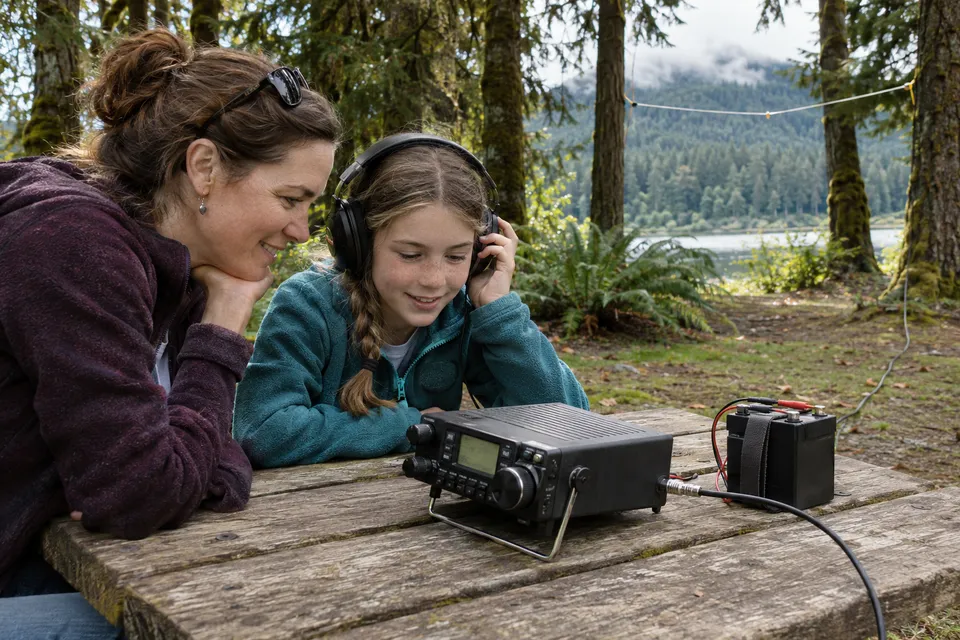
Curious kids can start here, too. Listen with a grown-up, practice a pretend conversation, or try a virtual experiment. Ask an experienced operator to help with real equipment and transmitting.