Meet people you would never otherwise meet.
A local conversation can become a friendship. A distant contact can turn an ordinary evening into a memorable one.
There is something remarkable about sending a signal into the sky and hearing someone answer. Amateur radio puts that experience in your hands.
Start my courseFive minutes. One idea. Try it for yourself.
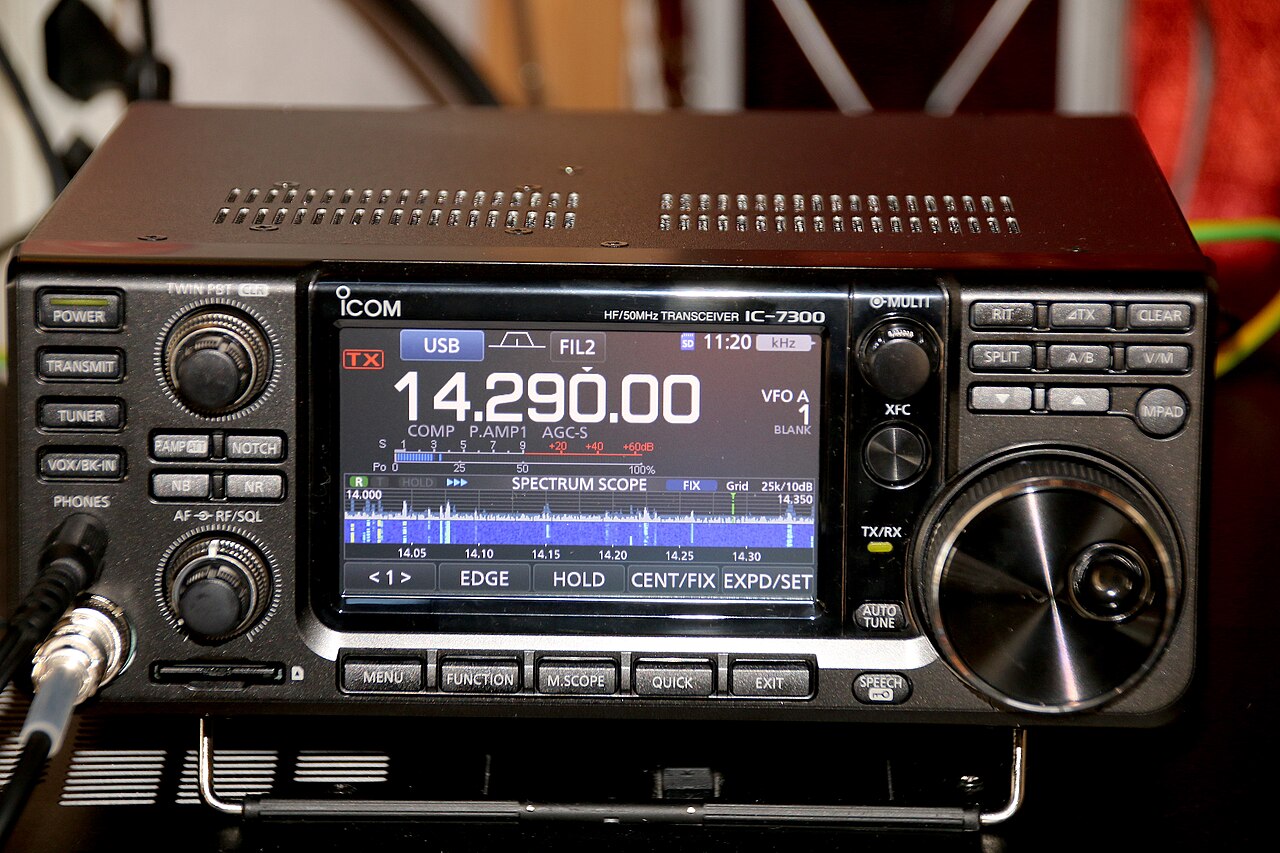
Amateur radio, often called ham radio, is a hobby and a licensed radio service for communicating, experimenting, and learning.
Operators use designated radio bands to talk across town, make contacts around the world, send digital messages, and experiment with antennas and electronics. Many contacts travel directly by radio; other systems use repeaters, satellites, or internet links.
You do not need to be an engineer to begin. Start by listening, meet a local club, and work toward your first license. Signal School helps you understand the ideas and practice for the US license exams.
A local conversation can become a friendship. A distant contact can turn an ordinary evening into a memorable one.
Build an antenna, try a digital mode, or hear a satellite overhead. Every experiment gives you something new to understand.
Learn clear communication and portable station skills. Local clubs put them to work at events and in organized emergency communication activities.
Amateur radio grew out of the early wireless experimenters. Ordinary people built equipment, tested ideas, and discovered how far a signal could travel. That spirit of curiosity still connects the hobby today.
The equipment has changed enormously. The pleasure of hearing an unexpected reply has not.
The US Radio Act of 1912 required amateur operators to be licensed and restricted their operating wavelengths.
ARRL was founded to organize stations that could relay messages over longer distances.
Transatlantic tests demonstrated the promise of shortwave communication between North America and Europe.
OSCAR 1, the first amateur radio satellite, launched on December 12.
Voice, Morse, digital communication, and satellites give each new generation something to explore.
Study the official questions, learn from mistakes, and try a simulated exam. Already licensed? General and Extra are here too.
“I’m building Signal School to help anyone who wants to understand radio, earn a license, or try something new. Adults, kids, and curious beginners are all welcome.”