Questions families ask about ham radio
A practical place to begin when your child wants to explore radio.
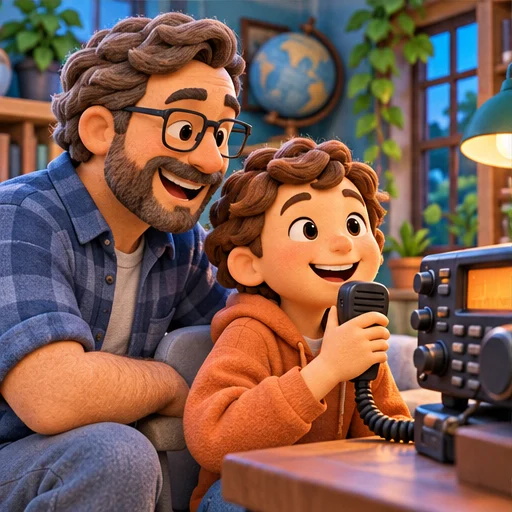 For families
Do I need to understand radio first?
You can help a child listen, read, explore, and ask questions without being a radio expert. For transmitting, work with a suitable licensed control operator. Studying together is an option, and each learner can move at their own pace.
What if reading is the hard part?
During study, read aloud and talk through unfamiliar words. Ask the child to explain an idea in their own words. Keep practice sessions short. Contact the exam team in advance about identification and available accommodations; study help and exam assistance have different rules.
What should we budget for?
Signal School is free. Separately, allow for any exam fee, FCC application fee, and equipment you decide to buy. Borrowing a receiver or visiting a club can help you discover your interests first. Some exam programs offer youth support; check eligibility before booking.
Who will my child talk to?
Radio conversations can be heard by other people. Begin together with a known mentor or welcoming club net. Agree on what information to share, and let the child stop whenever they feel uncomfortable. A call sign does not replace adult supervision.
How do we keep it enjoyable?
Let the learner choose a small goal: recognize Morse code, follow a satellite pass, or make a pretend radio call. Mix studying with listening and building. End with “What would you like to try next?” rather than a target score every time.
Pick your family’s next step
Try it together
Take turns being the learner. Let your child explain the microphone, antenna, or a new radio word to you. It is fine to look up the answer together.
Topic inspiration: What Is Ham Radio? Original guides and activities by Signal School. Licensing details checked against the references below.
Keep learning
Reviewed November 24, 2026.